

If you are comparing blind rivet vs pop rivet, you may be wondering whether they are two different types of fasteners or simply two names for the same product.
The short answer is that a pop rivet is generally a type of blind rivet. Both terms are commonly used to describe a fastener installed from one side of a workpiece, making it useful when the back of the joint is difficult to access.
Understanding the terminology, available types, materials and grip range will help you choose the right rivet for your application.
Blind Rivets vs Pop Rivets: Are They the Same?
In most applications, blind rivets and pop rivets refer to the same type of fastener.
A blind rivet is designed for installation when only one side of the material is accessible. It consists of a rivet body and a mandrel. During installation, the tool pulls the mandrel, causing the rivet body to expand and clamp the materials together.
The term “pop rivet” is widely used as a common name for this fastener.
When sourcing rivets, it’s more useful to focus on the product specifications than the name alone. Material, diameter, grip range and strength requirements all affect whether a rivet is suitable for your project.
How Does a Blind Rivet Work?
Blind rivets create a permanent joint without requiring access to both sides of the workpiece.
The installation process is straightforward:
- Drill a hole through the materials to be joined.
- Insert the blind rivet into the hole.
- Position the rivet tool over the mandrel.
- Activate the tool to pull the mandrel and expand the rivet body.
- The mandrel breaks at its designed break point, leaving the materials securely joined.
The result is a permanent fastening suitable for sheet metal, enclosures, panels and many other assemblies.
Correct hole size, grip range and installation tooling are important for achieving a reliable joint.
What Types of Blind Rivets Are Available?
Different types of blind rivets are designed for different materials, access conditions and performance requirements.
Open-End Blind Rivets
Open-end blind rivets are among the most commonly used options. They are suitable for general-purpose fastening in applications such as sheet metal fabrication, brackets, panels and enclosures.
They are a practical choice when a standard permanent joint meets the application's requirements.
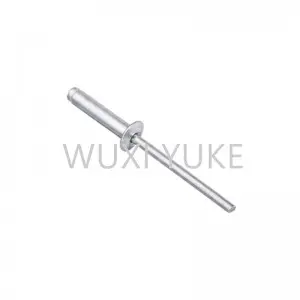
Closed-End Blind Rivets
Closed-end blind rivets feature a sealed end that helps prevent fluid or air from passing through the rivet body.
They are often used in applications where improved sealing is required. However, the level of water resistance depends on the rivet design, installation quality and overall joint construction.
For applications requiring a watertight connection, check the manufacturer's specifications rather than assuming every closed-end rivet is fully waterproof.
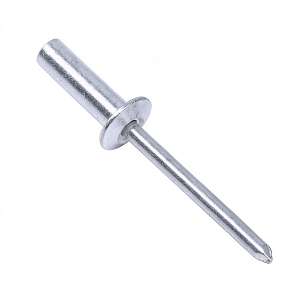
Multi-Grip Blind Rivets
Multi-grip blind rivets can accommodate a wider range of material thicknesses than many standard rivets of the same nominal size.
This flexibility can reduce the number of rivet sizes required for production or maintenance work.
When choosing a multi-grip rivet, confirm that its specified grip range covers the combined thickness of the materials being joined.
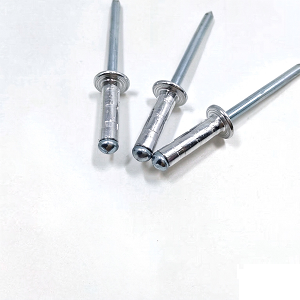
Structural Blind Rivets
Structural blind rivets are designed for applications requiring higher joint strength or improved resistance to vibration and demanding service conditions.
They may be suitable for industrial equipment, transport assemblies and other load-bearing applications, depending on the product specification.
Not all blind rivets are interchangeable. Always check the manufacturer's performance data when strength is critical.
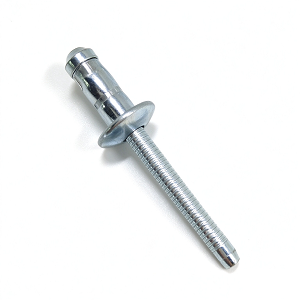
How to Choose the Right Blind Rivet
Choosing the right blind rivet involves more than matching the hole diameter. Material compatibility, rivet size and grip range all contribute to joint performance.you can check select guide.
Material, Diameter and Hole Size
Blind rivets are available in materials such as aluminium, steel and stainless steel.
- Aluminium: Lightweight and commonly used for general-purpose fastening.
- Steel: Suitable for applications requiring different strength and durability characteristics.
- Stainless steel:Often selected for corrosion resistance, depending on the grade and service environment.
The rivet material should be compatible with the joined materials and the surrounding environment. Where dissimilar metals are used, consider the risk of galvanic corrosion.
Check the manufacturer's recommended hole diameter and the relevant blind rivet sizes before installation. An incorrectly sized hole can compromise fastening performance.
Grip Range and Strength Requirements
The blind rivet grip range refers to the total material thickness a rivet is designed to fasten.
Measure the combined thickness of all materials being joined, then select a rivet whose grip range includes that measurement.
A rivet with an unsuitable grip range may not form the intended joint. You should also consider the required shear and tensile strength, vibration exposure and operating conditions.
For demanding applications, use the manufacturer's technical data to confirm that the selected rivet meets the joint's requirements.
Frequently Asked Questions
1.Are blind rivets and pop rivets the same?
A:In common usage, yes. Pop rivet is a widely used term for a blind rivet. POP® is also a brand name, so check the product specification when comparing options.
2.Are blind rivets strong?
A:Blind rivets can provide reliable permanent joints, but their strength depends on the rivet design, material, diameter, grip range and installation. Structural applications may require purpose-designed structural blind rivets.
3.What is the difference between a blind rivet and a solid rivet?
A:A blind rivet can be installed from one side of the workpiece. A traditional solid rivet generally requires access to both sides so the tail can be formed during installation.
4.How do I choose the right blind rivet size?
Check the hole diameter, combined material thickness and manufacturer's sizing recommendations. The selected rivet must also suit the application's strength and environmental requirements.
5.Can blind rivets be used on sheet metal?
A:Yes. Blind rivets are commonly used to join sheet metal panels, brackets, enclosures and other thin materials, provided the rivet is suitable for the material thickness and application.
6.What tool is needed to install blind rivets?
A:Blind rivets are installed using a compatible manual, pneumatic or battery-powered rivet tool. The tool must support the rivet's size and mandrel requirements.
Post time: Oct-15-2026