

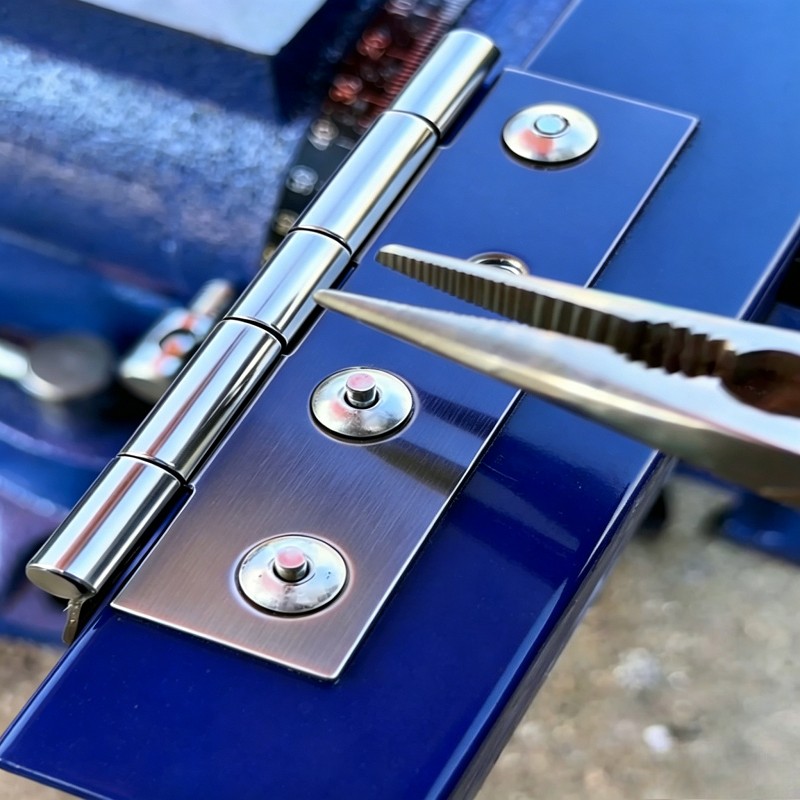
Do you know How to install blind rivets without a rivet gun? You may be able to use locking pliers for small, light-duty repairs. However, this method can produce inconsistent results.
Blind rivets, also called pop rivets, join two or more materials from one side. They are widely used in sheet metal fabrication, automotive repairs, and DIY projects.
In this guide, you'll learn how to install blind rivets without a rivet gun, which tools you can use, and how to remove pop rivets. You'll also find tips for choosing the right rivet and creating a secure connection.
A manual rivet gun is the best choice when you need reliable results. For structural or safety-critical applications, always follow the manufacturer's installation instructions.
Different Types of Rivets: What You Need to Know
Before installing a rivet, you need to choose the right type. Different rivets suit different materials and applications.
Here are four common types of rivets.
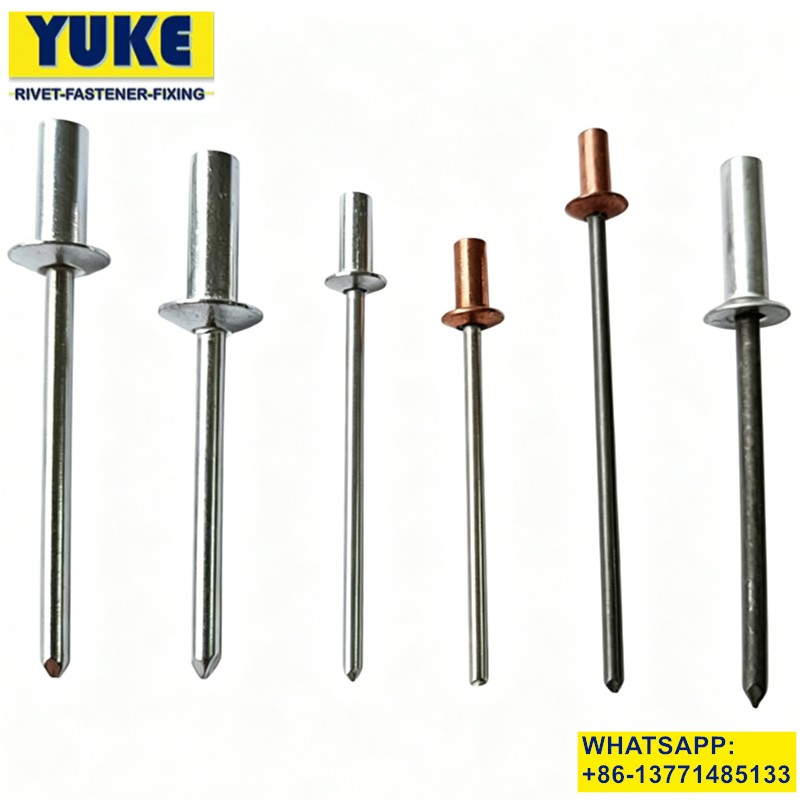
Blind rivets: Also called pop rivets, these fasteners are installed from one side. They are ideal for sheet metal, enclosures, and general assembly.
Solid rivets: These strong fasteners are used in demanding applications. They usually require access to both sides of the workpiece.
Tubular rivets:These rivets have a hollow or partially hollow body. They are common in appliances, electronics, and light-duty assemblies.
Split rivets: These rivets have split legs that spread during installation. They are often used with softer materials, such as leather and some types of wood.
For most DIY projects, blind rivets are a practical choice. They work well when you cannot reach the back of the materials.
However, the rivet type, size, and grip range must match your application.
Can You Install Pop Rivets Without a Rivet Gun?
Yes, in some cases. You may be able to install certain blind rivets with alternative hand tools. However, the results may be less reliable than those produced by a proper rivet gun.
A blind rivet has two main parts: the rivet body and the mandrel. During installation, the tool pulls the mandrel through the body. This causes the rivet body to expand behind the workpiece.
The expanded body clamps the materials together. Once the mandrel reaches its designed break point, it separates from the rivet.
Locking pliers may help pull the mandrel in some small, non-critical applications. However, ordinary pliers cannot provide the same control as a dedicated riveting tool.
For the best results, use a compatible manual rivet gun. It is affordable, easy to operate, and suitable for many home repairs.
Tools You Can Use Instead of a Rivet Gun
Before starting, prepare the right tools for your project. The tools you need depend on the rivet size, material thickness, and application.
1. Locking Pliers
Locking pliers can grip a blind rivet mandrel firmly. They may provide enough leverage for certain small repairs.
However, they are not designed specifically for installing pop rivets. They may slip, bend the mandrel, or produce a loose joint.
Use this method only for non-critical applications. If you cannot grip the mandrel securely, choose a proper hand riveter.
2. Screwdriver and Small Hammer
A flathead screwdriver and a small hammer may help with certain removal tasks. However, they are not reliable tools for installing standard blind rivets.
Blind rivets require a controlled pulling force to expand the rivet body. Hammering the mandrel does not provide the same action.
Avoid striking the rivet repeatedly. This may damage the workpiece or create an insecure connection.
3. Manual Hand Riveter
A manual hand riveter is the most practical alternative to a powered rivet gun. It is designed to pull the mandrel and set the rivet correctly.
Insert the rivet into the prepared hole. Place the tool's nosepiece against the rivet head, then squeeze the handles according to the manufacturer's instructions.
A hand riveter offers better control than improvised tools. It is a good choice for sheet metal, aluminum panels, and other light-duty fastening projects.
If you install pop rivets regularly, investing in a compatible hand riveter can save time and improve consistency.
Step-by-Step Guide to Install Blind Rivets Without a Rivet Gun
Follow these steps to prepare your workpiece and install a blind rivet. For consistent results, use a manual hand riveter whenever possible.
Step 1: Prepare the Materials and Drill the Hole
Align the materials you want to join. Use clamps to keep them in place if necessary.
Drill a hole through the workpieces using the diameter specified by the rivet manufacturer. The correct hole size helps the rivet fit securely.
Remove any burrs or metal chips before installation. Wear safety glasses when drilling metal.
Step 2: Insert the Blind Rivet
Insert the blind rivet into the prepared hole. Push it through until the flange sits flat against the workpiece.
Check that the rivet passes through all the materials. The combined material thickness must also fall within the rivet's grip range.
Keep the rivet straight during installation. A tilted rivet may create an uneven or weak connection.
Step 3: Grip the Mandrel
The mandrel is the thin stem that extends from the rivet body.
If you are attempting a manual alternative, use locking pliers to grip the exposed mandrel. Keep the workpiece stable and avoid damaging the rivet head.
Make sure the pliers hold the mandrel securely before applying force. Stop if the mandrel slips or bends.
For a safer and more consistent installation, use a compatible hand riveter instead.
Step 4: Apply Force to Set the Rivet
With a manual riveter, place the nosepiece squarely against the rivet head. Squeeze the handles steadily according to the tool instructions.
The tool pulls the mandrel and expands the rivet body behind the workpiece. The mandrel then breaks at its designed break point.
Locking pliers may provide pulling force in some situations, but they are less reliable than a dedicated tool. A screwdriver and hammer should not be used to force a standard blind rivet into place.
If the rivet does not set correctly, stop and replace it with a new rivet using the proper tool.
Step 5: Inspect the Finished Connection
Check the rivet head after installation. It should sit flat against the workpiece.
Make sure the joined materials do not move easily. Look for a loose head, cracks, excessive deformation, or damage around the hole.
Replace any rivet that is loose or incorrectly installed. Never reuse a standard blind rivet.
For structural or safety-critical applications, follow the required installation and inspection procedures. A visual check alone cannot confirm the joint's load-bearing capacity.
How to Remove Pop Rivets Without a Drill
Sometimes you need to remove a pop rivet to repair a component or replace damaged material. You may be able to do this without a drill, depending on the rivet and workpiece.
Method 1: Remove a Pop Rivet With a Drill
Using a drill is often the most straightforward way to remove a standard blind rivet.
1. Choose the right drill bit. Select a bit suitable for the rivet and workpiece. Wear safety glasses before drilling.
2. Drill through the rivet head. Apply controlled pressure to separate the head without damaging the surrounding material.
3. Remove the rivet head. Lift the detached head away carefully.
4. Push out the rivet body. Use a suitable punch to remove the remaining body from the hole.
Support the workpiece during removal. Avoid excessive force, especially when working with thin sheet metal.
Method 2: Remove a Pop Rivet Without a Drill
Without a drill, you may be able to remove the rivet head with a suitable file or cutting tool. Choose a method that matches the material and rivet design.
Work slowly to avoid scratching or deforming the workpiece. Once the head is removed, use an appropriate punch to push out the remaining rivet body if the design allows it.
Do not force a screwdriver under the rivet head. This can enlarge the hole or damage the surrounding material.
If the rivet is difficult to remove, use a dedicated rivet-removal tool. Safety should always come first.
Can You Reuse Rivets?
No. Standard blind rivets are designed for one-time use. Once installed and removed, they should be replaced with new rivets.
There are three main reasons why you should not reuse pop rivets.
1. The Mandrel Breaks During Installation
The mandrel is designed to break at a specific point during installation. After removal, it is no longer in its original condition.
This means the rivet cannot be installed again as intended.
2. The Rivet Body Becomes Deformed
During installation, the rivet body expands behind the workpiece. Removing the rivet can damage or deform this body.
A damaged rivet may not fit or clamp the materials correctly.
3. Reusing a Rivet May Weaken the Joint
A damaged rivet may not provide enough clamping force. This can cause the materials to loosen or separate over time.
Always use a new blind rivet when replacing an old one. Check the hole for damage and select a rivet with the correct diameter, length, and grip range.
Tips for Working With Different Types of Rivets
Choosing the right rivet helps create a strong and reliable connection. Follow these tips to improve your results.
Choose the right rivet type. Use blind rivets when you can access only one side of the workpiece. Select other rivet types according to their intended applications.
Check the material thickness. Make sure the rivet's grip range matches the combined thickness of the materials.
Use the correct hole size. Follow the manufacturer's specifications. A hole that is too large may result in a loose connection.
Keep the materials aligned. Secure the workpieces before drilling and riveting. This helps prevent movement during installation.
Use the right tool. A compatible manual rivet gun usually provides more consistent results than ordinary pliers.
Inspect the finished joint. Check for loose rivets, uneven heads, and damage around the hole.
Avoid unsafe shortcuts. Do not use improvised methods for structural or safety-critical connections.
You may be able to install some blind rivets without a rivet gun. However, a proper hand riveter is usually the easiest and most reliable option.
Frequently Asked Questions
Q1: What Size Hole Do I Need for a Pop Rivet?
The correct hole size depends on the rivet diameter and manufacturer specifications. The hole must allow the rivet body to pass through without excessive clearance.
For example, a particular 3.2 mm blind rivet may require a 3.3 mm hole. Always check the specifications for your chosen rivet before drilling.
Q2: Can You Install Blind Rivets Without a Rivet Gun?
Yes, some blind rivets may be installed with alternative hand tools for small, non-critical repairs. However, the results may be inconsistent.
A compatible manual rivet gun is the better choice for a secure and repeatable installation.
Q3: Are Pop Rivets and Blind Rivets the Same?
Yes. Pop rivets are a common name for blind rivets.
These fasteners are installed from one side of the workpiece. They are commonly used in sheet metal, enclosures, automotive repairs, and DIY projects.
Q4: Can I Use Pliers to Install a Pop Rivet?
Locking pliers can grip a rivet mandrel, but they are not designed to set blind rivets reliably.
For better control and consistent results, use a compatible manual rivet gun. Avoid using ordinary pliers for applications that require verified joint strength.
Q5: How Do I Remove a Pop Rivet Without a Drill?
You may be able to remove a pop rivet using a suitable file or cutting tool. After removing the head, push the remaining rivet body out with an appropriate punch if possible.
Work carefully to avoid enlarging the hole or damaging the surrounding material. If removal is difficult, use a dedicated rivet-removal tool.
Contact YUKERIVET today for a free quote or sample!
Post time: May-14-2026