

-

What are the characteristics of stainless steel rivet nuts?
1. At present, SUS304 stainless steel is mainly used for stainless steel rivet nuts on the market. Compared with traditional carbon steel materials, stainless steel rivet nuts have better rust resistance. 2. The weight of stainless steel rivet nut is lighter, which avoids the phenomena of fusible...Read more -
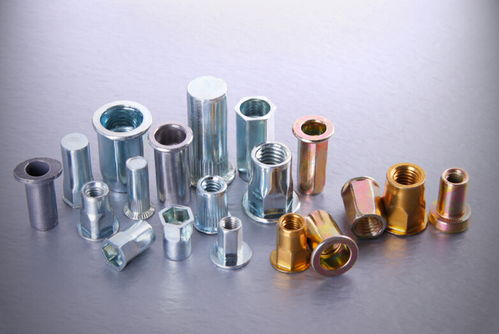
What are the material selection requirements for stainless steel rivet nuts?
1. Mechanical properties of stainless steel rivet nuts, such as strength, torsion resistance and other requirements; 2. Corrosion resistance. Some workpieces are used in harsh environment, so stainless steel rivet nuts are required to have strong corrosion resistance; 3. Requirements of working t...Read more -

What is a stainless steel rivet nut?
Stainless steel rivet nuts, also known as pull rivet nuts, are widely used in furniture and decoration markets. Stainless steel rivet nuts are developed to solve the shortcomings of easy melting of thin metal sheet and thin pipe welding nuts and easy sliding teeth when tapping internal threads. S...Read more -
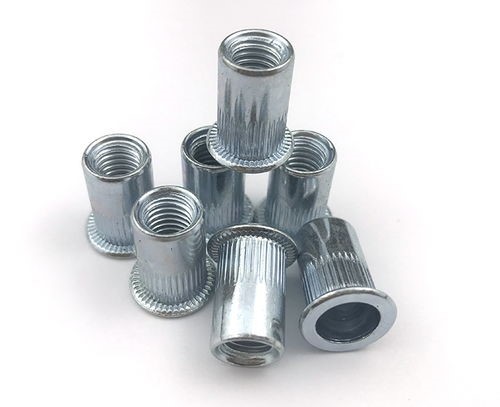
What are the materials and specifications of rivet nuts?
1. Rivet nuts are made of carbon steel, aluminum and stainless steel. 2. Pull rivet nuts, also known as rivet nuts, can be divided into flat head pull rivet nuts, countersunk head rivet nuts, small countersunk head pull rivet nuts, half six release pull rivet nuts, etc. Main materials used: stee...Read more -
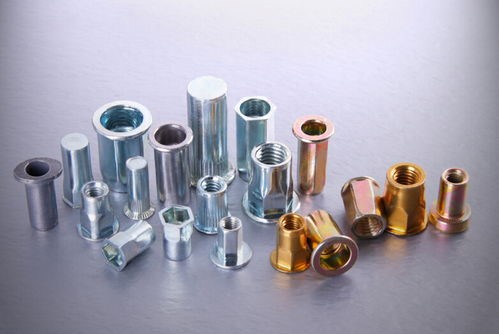
Usage and precautions of rivet nutⅡ
Attention should be paid to the following issues: 3. The calibration ring of riveting nut gun is used to adjust the riveting stroke. It can be adjusted as needed. It is worth noting that when adjusting the length of riveted bolts, open two handles and adjust the head cover. The length of the rive...Read more -
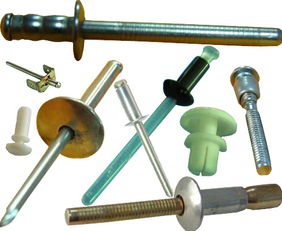
What are the minor problems when using blind rivetsⅢ?
Small problems when using pop rivets: 5. Bouncing or insufficient drum lifting: during riveting, the pull nail core is completely pushed out, or the rivet body is not fully unfolded. The reasons for this phenomenon are: the tension control is too low during core making; High rivet hardness (unev...Read more -
Usage and precautions of rivet nutⅠ
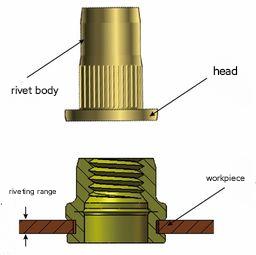
Rivet nut is a fastener widely used in recent years. Its appearance replaces some traditional welding methods to a certain extent. Riveting nut is a method to solve the convergence of some difficult welding equipment and other parts. Rivet nut guns such as manual rivet nut guns are required for t...Read more -

What should we pay attention to when rivet nuts are used on sheet metal
Rivet nut, also known as self tightening nut, is a nut for thin plate or thin plate. Its shape is circular, and one end is provided with relief teeth and guide groove. Usually, the use of metal plates will show the problem that the rivet nut hole is too far away and the deformation after pressing...Read more -

What are the minor problems when using blind rivetsⅡ?
Small problems when using pop rivets: 3. Nail head falling off: after pulling the rivet, the core rivet head cannot be wrapped and fall off from the rivet body. The reason why the rivet head falls off is that the diameter of the core cover is too large and the rivet is short, which does not mat...Read more -

What is a rivet nut?
Rivet nuts are widely used in the fastening field of various metal plates, pipes and other manufacturing industries. It is widely used in the assembly of electromechanical and light industrial products such as automobile, aviation, railway, refrigeration, elevator, switch, instrument, furniture a...Read more -
Usage of rivet nut?
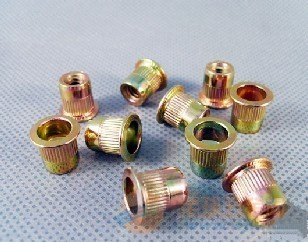
If the nut of the product needs to be installed outside and the internal space is small, it is impossible for the head of the riveter to enter the pressure rivet, and the germination method cannot meet the strength requirements, then pressure riveting and high riveting are not feasible. You have ...Read more -
What are the minor problems when using blind rivetsⅠ?
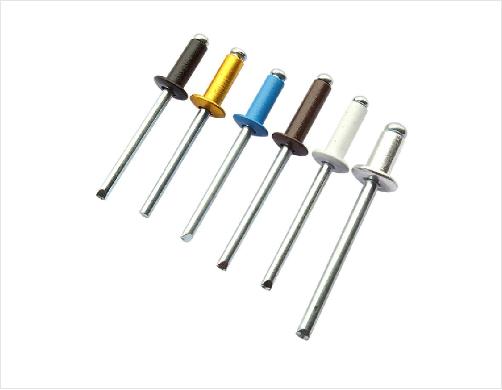
Pop rivets are different from ordinary nails. Ordinary nails are used for fixing, while pop rivets are used as connecting tools. They are as long as fencing, and specific tools must be used in use. Sometimes there are some problems in use due to rough workmanship. The following are easy problems....Read more -
What surface treatments do pop rivets haveⅢ?
Read more -
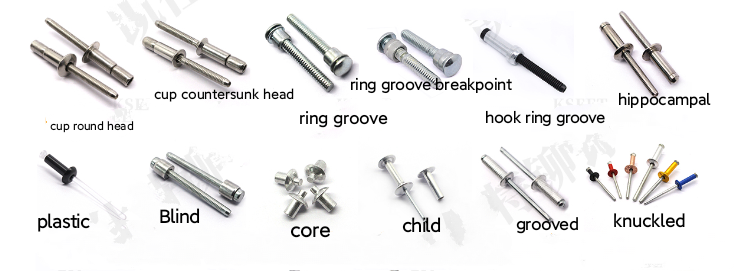
What surface treatments do pop rivets haveⅡ?
Read more -

What surface treatments do pop rivets have I?
Read more -
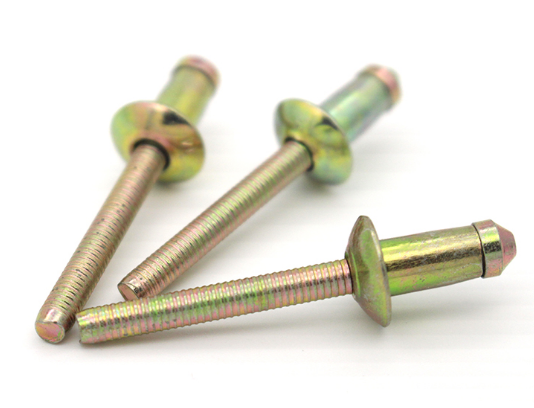
What are the characteristics of single drum pull nail and double drum pull nail?
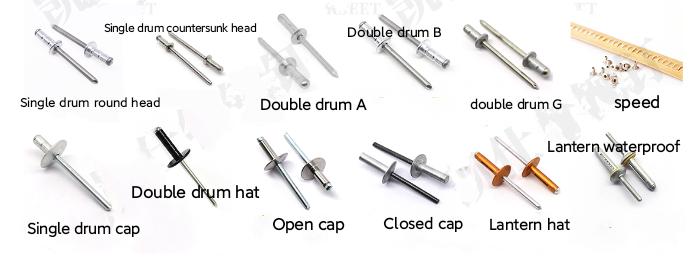
A single drum is a drum. Its function is to pull the end of the rivet body into a single drum after riveting. Multi drum type is to play multiple drums. Its function is to multi drum rivet head and reduce the pressure acting on the surface of structural parts. High strength fasteners have the ...Read more -
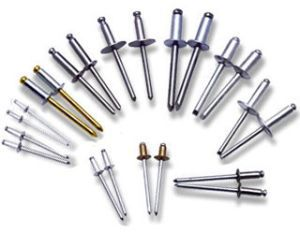
What is steel structure pull rivet?
Steel structure pull rivets are also called Haima pull rivets, Haima Lek, also known as light music pop rivets, Haima nails, light music rivets. Steel structure pull rivet is a metal link with unique structure and high riveting strength, which belongs to a new fastening part.Read more -
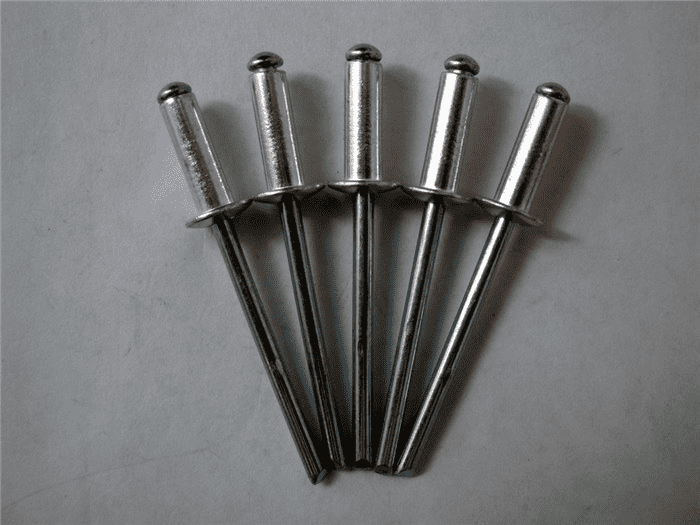
Characteristics and application occasions of steel structure pull rivets?
The steel structure pull rivets are characterized by: It has good hole filling performance, good air tightness and high riveting strength. Application occasions of steel structure pull rivets: It is suitable for riveting fields with high surface requirements, high riveting strength requirements a...Read more -
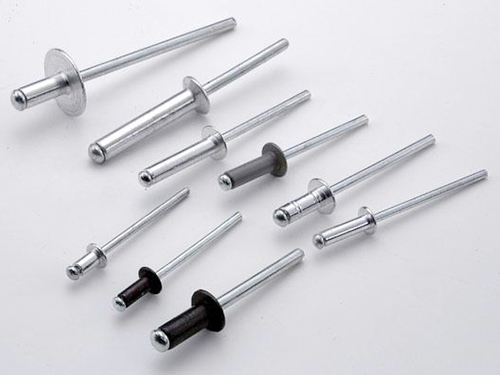
What are the advantages of steel structure rivet assembly?
Advantages of steel structure rivet assembly: Structural pull rivets are used for quick single-sided construction connection, which can meet the requirements of high shear and tensile resistance. The main advantages in use include: Single side construction, high shear and tensile strength, wide r...Read more -
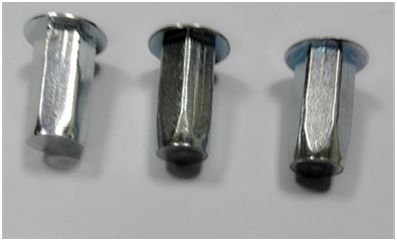
How does the rivet nut gun rivet the rivet nut
Application: we need to use nuts on thin iron sheets. Because the thin iron sheets are too thin to be riveted, we need to use riveting nut gun or riveting nut. 1.The three pull riveting nuts in the following figure are closed flat head full hexagon pull cap M6 from left to right. 2.Find a pull...Read more