

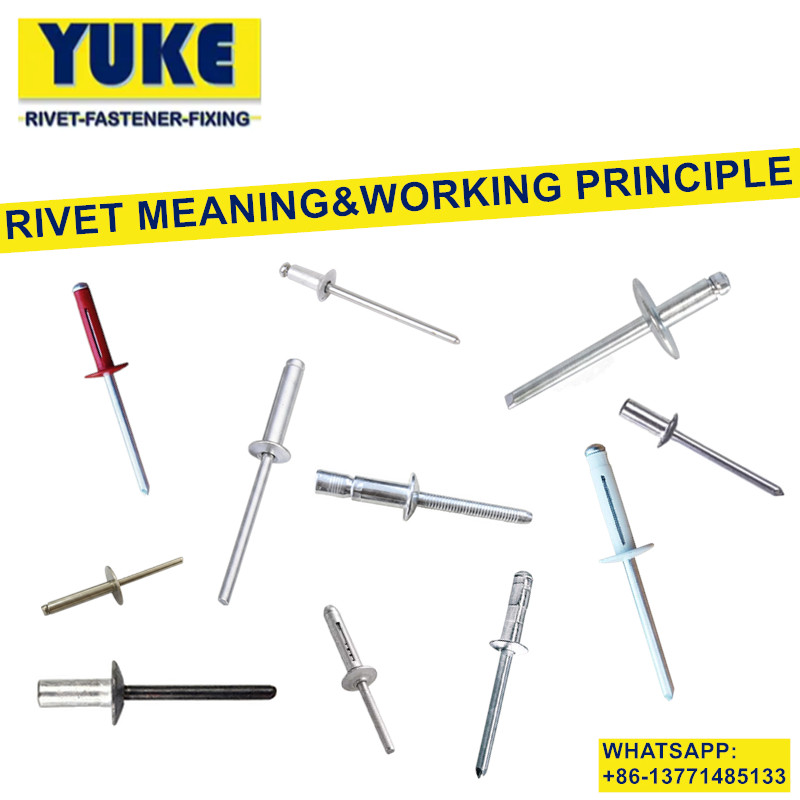
What is the Meaning Of Rivet?
A rivet is a mechanical fastener.It permanently joins two or more material pieces.Most people use it in sheet metal,automotive,construction and industrial assembly.
What is a Rivet?
The core rivet meaning is its ability to resist both tension and shear forces, ensuring the joined materials stay secure even under vibration or heavy loads. There are several common types of rivets, including open end rivets (with a split tail for quick installation) trifold blind rivets,multigrip blind rivets,structural blind rivets etc.
What is a rivet in engineering?
This process, is known as riveting, It can be summarized in 5 simple steps,This is how rivets effectively join metal and other materials:
- Materials-First, drill or punch holes through the two or more materials you want to join. The hole diameter should be slightly bigger than the rivet’s body to ensure a tight fit, which is essential for a strong connection.
- Insert the Rivet:-Place the rivet’s shaft through the pre-drilled holes, with the factory head resting firmly against one side of the materials. For blind rivet, you’ll only need access to one side, making them perfect for enclosed or hard-to-reach areas.
- Apply Axial Force:-Use a rivet gun, hammer, or pneumatic tool to apply axial force to the rivet’s tail. This force compresses the tail, causing it to undergo plastic flow (a permanent shape change).
- Form the Second Head:-As the tail is compressed, it expands and flattens to form a second head (called the shop head or buck-tail). This second head is larger than the hole, preventing the rivet from being pulled out of the materials.
- Secure the Connection:-Once the second head is fully formed, the two heads of the rivet clamp the materials tightly together, creating a permanent, vibration-resistant connection. This principle is consistent across most rivet types, from open rivets to blind rivet.
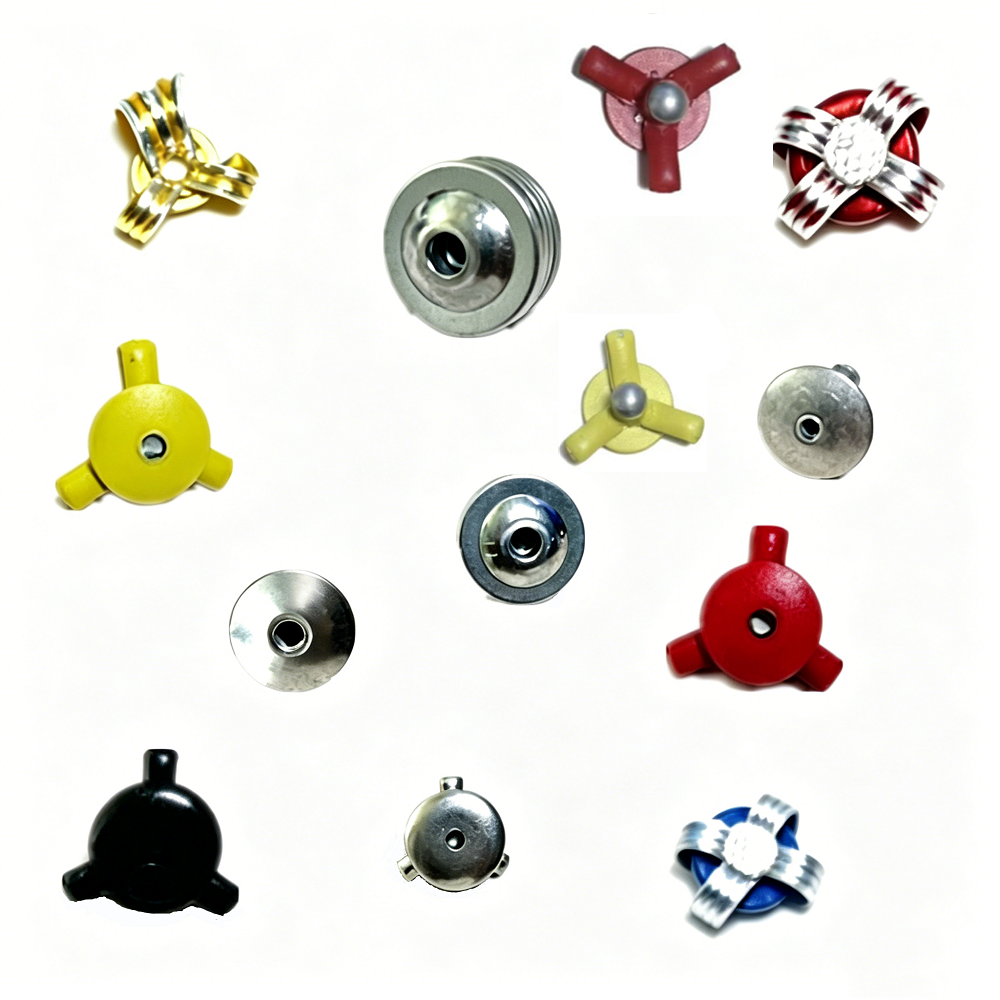
Main Types of rivets and Applications
Understanding the rivet meaning and its working principle also involves knowing how different types of rivets are used. For example,Open rivets are commonly used in light-duty applications like furniture or sheet metal, while blind rivet are preferred for automotive and aerospace applications where access is limited. Both types follow the same core working principle but serve specific use cases.
Rivet technology has evolved over time, but the fundamental rivet meaning and working principle remain unchanged—creating a permanent, strong connection by deforming the fastener. Whether you’re looking to join metal for a DIY project or understand industrial applications, knowing the rivet meaning and how rivets work is essential for choosing the right fastener and ensuring a reliable connection.
In summary, the rivet meaning is a permanent mechanical fastener for joining materials. By understanding whats a rivet, how to define rivet, and the steps of its working principle, you can effectively use rivets (including blind rivet and open rivets) to join metal and other materials in any application.
FAQ:
What Are the Types of Riveting? Classification, Working Principles & Applications
What is the Difference Between Stainless Steel Blind Rivets and Aluminum Blind Rivets?
What is wrong with the blind rivets?
Post time: May-14-2026